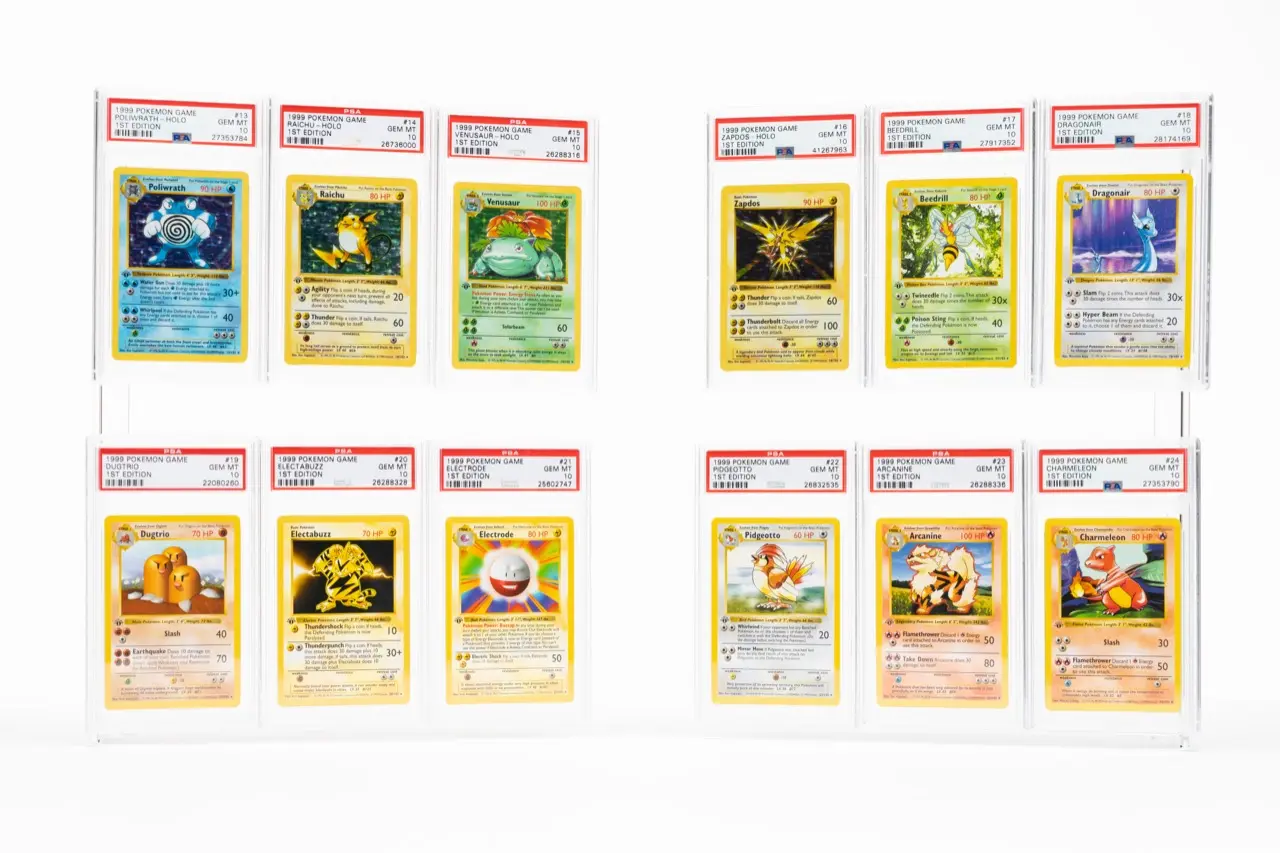
In October 2025, the American platform Rally, specialized in fractional investment in collectibles, conducted the most expensive public sale in history for a complete Pokémon 1st Edition set from 1999.
Final amount: $911,629.69, after a private auction among investors, concluded by a majority vote of the shareholders.
What is Rally?
Founded in 2016, Rally has established itself as a major player in fractional ownership, democratizing access to assets that were once reserved for wealthy investors or collectors: classic cars, luxury watches, fine wines and spirits, dinosaur fossils, sneakers, historical and cultural artifacts, etc.
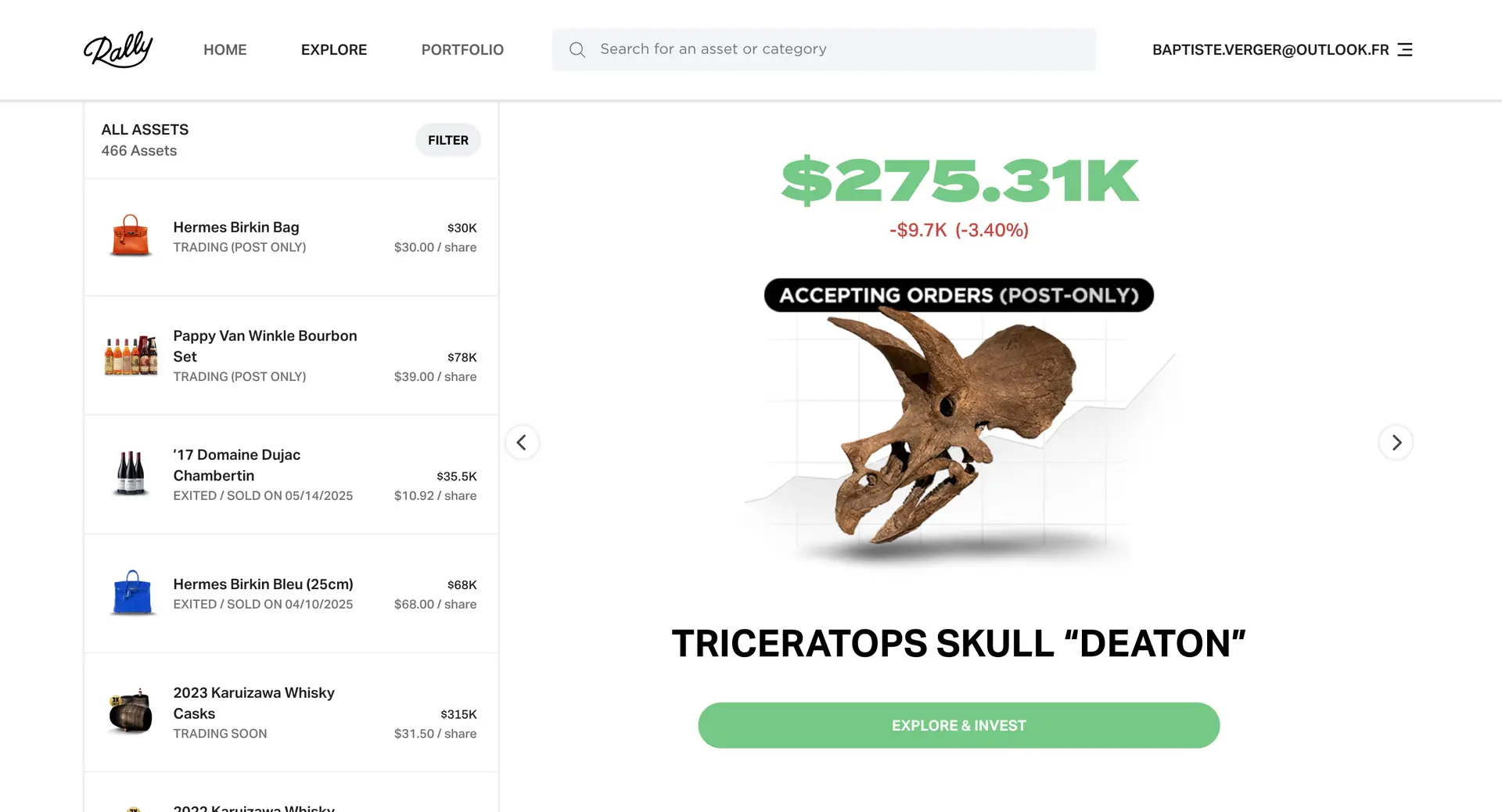
This operation is not just a record; it is also a symbolic milestone for Rally as it marks the 100th sale of an asset owned by the platform's users.
A sale worthy of the great auction houses
It all started when an investor from the Rally community submitted a buyout offer of $600,000 to acquire the complete, sealed set graded by PSA (Professional Sports Authenticator).
In accordance with Rally's governance model, the team notified the 500 investors who own shares of this asset to ask them to vote to accept or reject the offer.
But even before the voting was closed, a second investor bid $750,000.
This proposal triggered a real internal bidding war lasting 24 hours, before the final offer of $911,629.69 was validated and accepted by 93.92% of the holders.
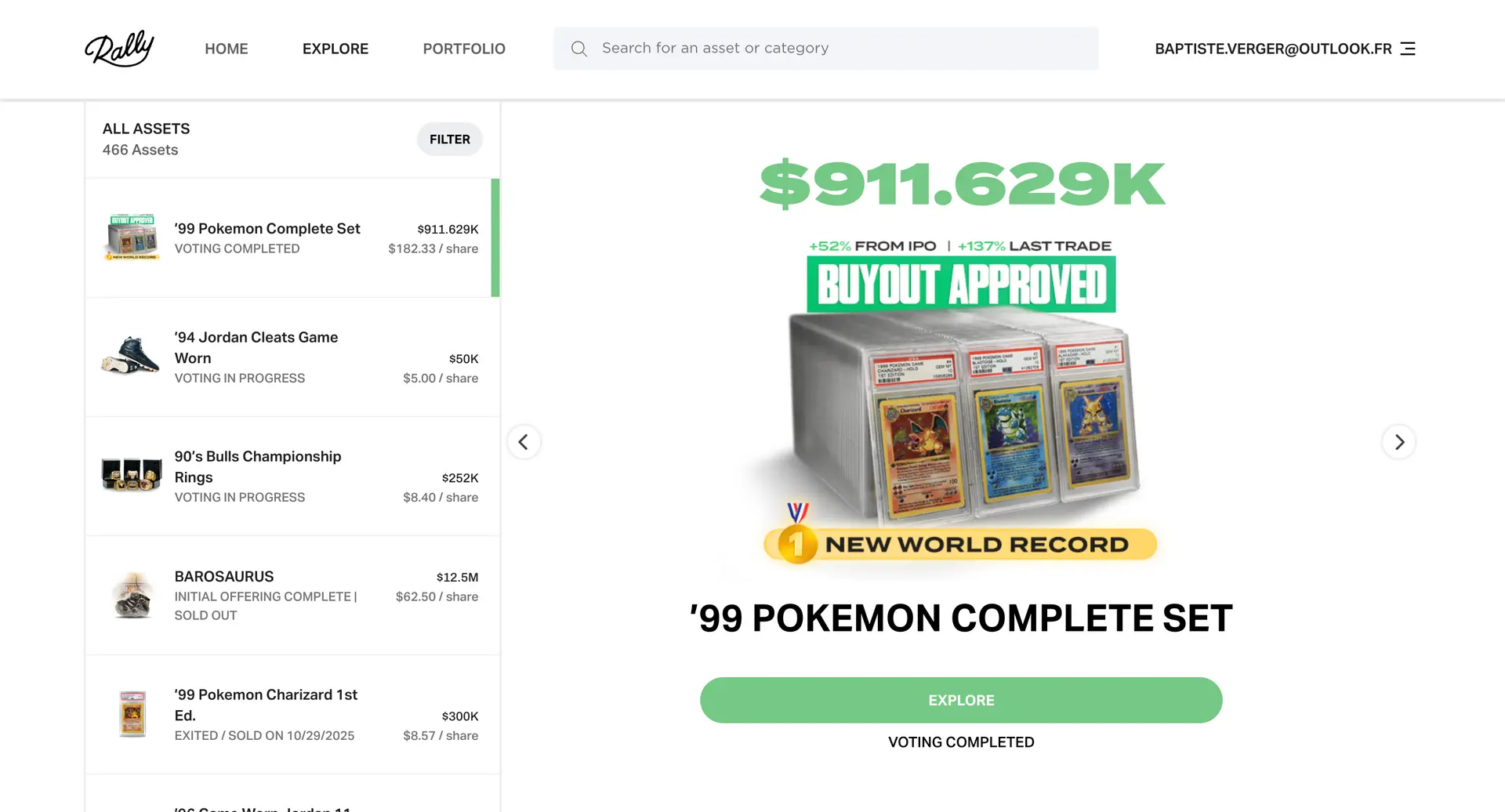
It is 52% more than the initial offer, and nearly $300,000 above the previous world record, set a few years earlier on the same set.
Should you invest in Pokémon cards?
Pokémon is the most profitable franchise in the world, ahead of Star Wars and Marvel, with 147 billion dollars in cumulative revenue.
The PWCC 500 index, which measures the performance of the most sought-after Pokémon cards, has outperformed the S&P 500 by 94% over the last ten years.
In France, 8% of adults actively collect. The average value of a collection has increased from €2,500 in 2021 to €3,500 today. The market has become structured, with a finite supply of vintage series and strong demand driven by nostalgia and new investors.
Off Market Note
For the moment, we remain extremely cautious regarding Pokémon cards and, more broadly, collectible cards. Their current popularity should not overshadow their emotional nature. This market is primarily based on nostalgia and the demand from collectors.
In the event of an economic shock, these items would be among the first to be resold. Unlike gold or real estate, printed cardboard has no intrinsic value. A trend reversal could therefore lead to a sharp collapse in prices within a few weeks.
How to invest in Pokémon cards?
Investing by oneself
- Certified purchase.
Grading is essential. Companies like PSA or PCA assign a score from 1 to 10. A card rated 10/10 can be worth several times the same ungraded card. - Favor vintage.
Editions from 1999 to 2003 offer the best visibility: they are no longer sold and have a price history. Modern cards are more speculative. - Analyze actual sales.
Use successful sales data on eBay to understand the market price. Avoid listings without history or that seem suspicious. - Store and insure.
The cards must be protected from light, moisture, and theft. For pieces valued over €1,000, specialized safe storage is recommended. - Understanding taxation.
Occasional capital gains fall under the regime of collectibles. In the case of frequent resales, the activity must be declared as a micro-enterprise. - Allocate with moderation.
This tangible asset remains exotic. An exposure of 1 to 5% of the total wealth is sufficient to diversify without destabilizing the portfolio.
Investing through specialized intermediaries
If you are neither an experienced collector nor willing to invest several thousand euros directly, it is better to go through specialized intermediaries.
Platforms like Konvi, Splint Invest, Timeless, Rally, Collectable, or Alt allow you to buy fractions of physical assets (Pokémon cards, watches, artworks, sneakers, etc.) starting from a few hundred euros. They handle all the steps: authentication, storage, insurance, resale.
You delegate the operational part and benefit from the expertise of specialized teams in exchange for a portion of the added value.